Free your toes: How grounding frequencies are pushing the boundaries of footwear tech
For some, sitting at a desk all day without movement or breaks is commonplace, meaning stiff joints, tight muscles and a lack of energy overall. There is a way to achieve movement and mobility back into our modern lives, and a good place to start is with the feet and walking barefoot in nature. Adopting barefoot walking into lifestyles comes with a range of physical benefits including better posture, balance, coordination and range of motion. When walking barefoot, the foot is stretching and strengthening muscles, tendons and ligaments in the feet, ankles and calves. This free reflexology is an accessible way to reset the nervous system and boost circadian rhythm, and those going barefoot also report improved sleep, cognitive function and reduced stress due to the calming effects of being in nature.
Going barefoot is truly back to primal basics. The first humans would walk barefoot or with minimal footwear, their finer bones and muscles strong enough to run from danger, hunt and walk long distances. With the development of footwear, we are positioning our bones into shapes that are designed with fashion in mind over the natural functionality of the foot. The toes are naturally meant to have gaps, and modern shoe shapes are designed with a narrow toe box that hinder this spaciousness and can cause a range of health issues from headaches, to stiffness, or Osteoarthritis of the foot.
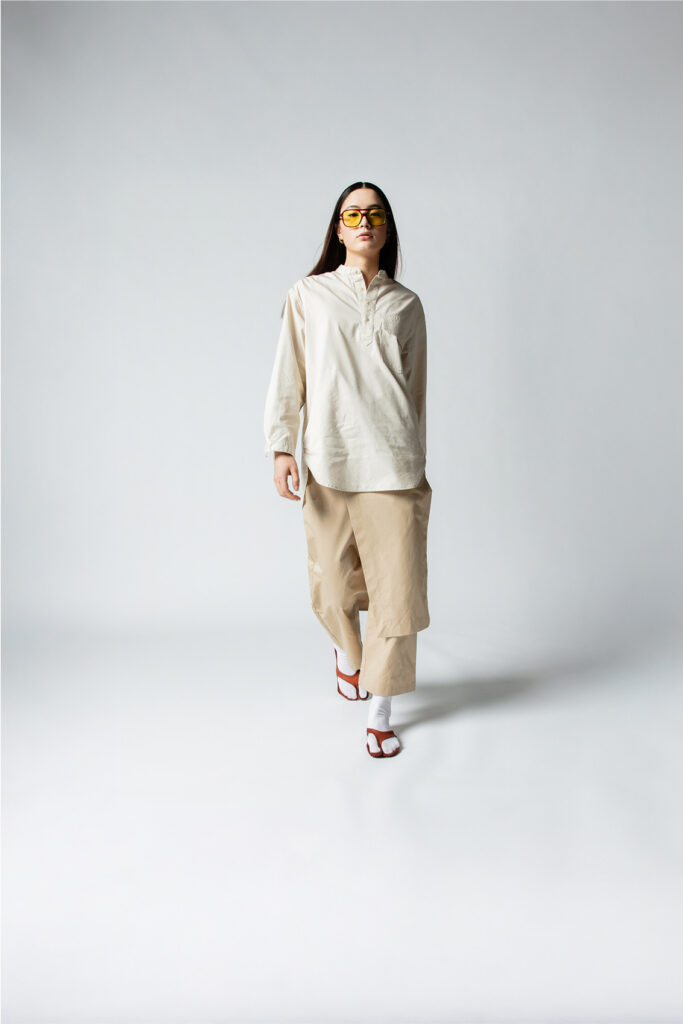
Vivobarefoot VIVOBIOME Tabi Gen 01
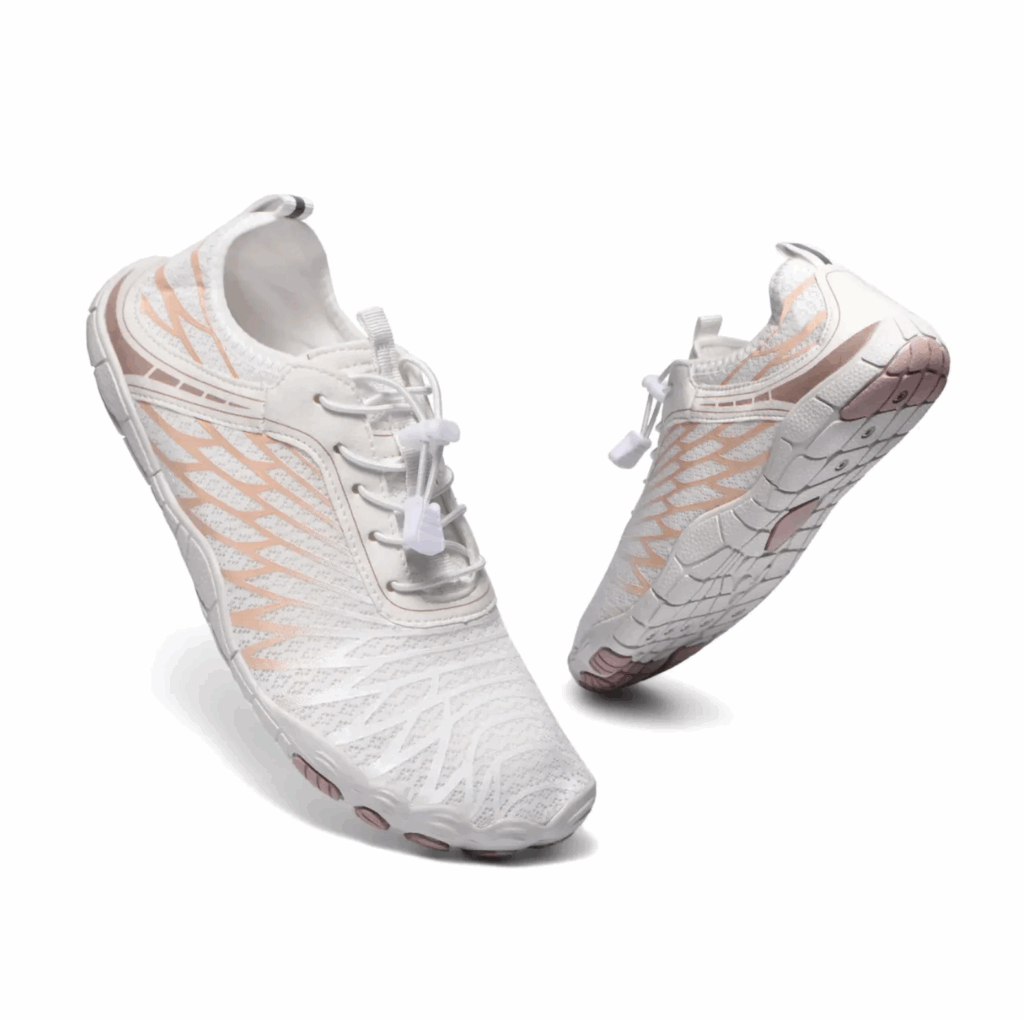
Purestep Motion shoe
Consider looking after the feet as a self care practice. To counter the effects of modern shoe-wearing, a starting point could mean taking breaks to go barefoot and supporting that by choosing an ergonomic and orthopedic shoe designed with the feet’s range of movement (see brands like Bearefoot, Purestep and Barefoot Shop who specialises in these). These mobility-driven shoes stimulate the nerve endings of the foot to promote better proprioception and body awareness, and boost circulation.
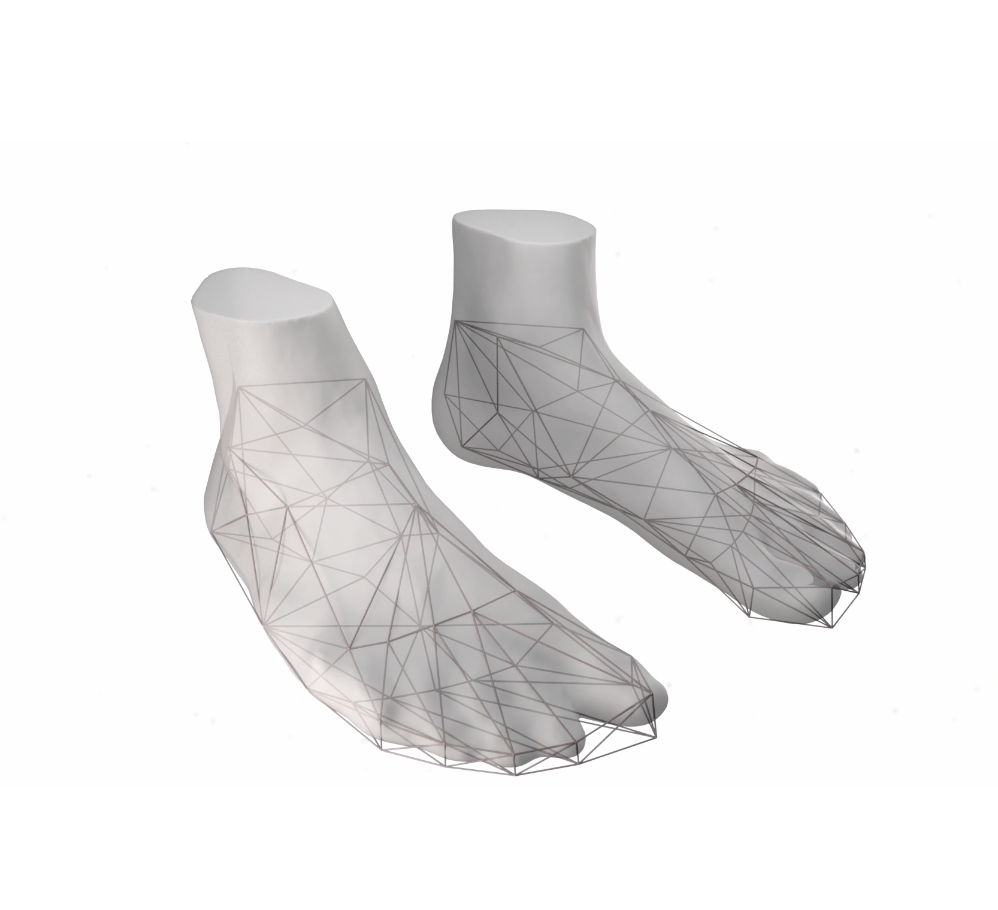
This ergonomic footwear is also taking the next step into the tech future, with designs to replicate the natural barefoot experience as closely as possible. Leading the charge in the ‘barefoot shoe’ movement is Vivobarefoot- who are fresh from unveiling the world’s first fully bespoke, 3D-printed barefoot sandal, crafted exclusively for the feet of each individual wearer. The VIVOBIOME Tabi Gen 01 Sandal is shaped entirely by the wearer’s feet, meaning this is as bespoke as you can get. If there is footwear that fits perfectly to the wearer’s unique shape and range of movement, is there a need for feet that crunch the bones into an unnatural shape? Is this goodbye to conventional shoe wearing in the future?
6 tools for healthier foot function
Even socks can inhibit the toes, restricting circulation, movement and natural foot function and can also contribute to foot issues over time, and so toe socks are another method of bringing back posture and balance into the feet. Daily foot exercises and stretches can help realign and strengthen the foot, help widen the toe box and space the toes. This could mean rolling the foot on cork tools such as balls or picking up a small ball with the feet, and using rehabilitation tools such as toe separators or foot yoga.
For those new to barefoot walking or running in nature, health practitioners recommend starting small. Choose soft grass or sand on even terrain before graduating to harder surfaces like forests or rocks, and be mindful of any debris or sharp objects on the floor that could cause a wound. Be sure to clean the feet and treat them to a massage or soak afterwards to reset the muscles.