
THE REFRAME
S*xtech Education: the modern frontier of female intimacy
The female sexual wellness and pleasure space is finally experiencing a ‘boom’. Brands are rising to meet the demand for products, a spike which has been growing since lockdown due to the focus on self-care, at-home health and sexual wellness. By 2022, female-focused segment products such as vibrators, lubricants and other accessories contributed to 54% of the market. After the peak of the lockdown online marketplace surge, and with so much choice on the market, discerning consumers started seeking out female pleasure brands who leverage advanced technology. This is sexual pleasure 2.0- where smart devices, app integrations, biometric feedback and AI personalisation are leading the charge for women worldwide.
Consumers can now choose from a wealth of boundary-pushing products from brands who have grown rapidly since the pandemic such as the Vibease a vibrator that syncs with erotic audiobooks, the AI-curated mind app Ferly that helps users connect with their sexuality and Lovense who offer AI, bluetooth and long-distance play products. However- and probably the most revolutionary- biohacker gadget of choice is the science-backed Lioness Smart Vibrator. It uses AI and app-controlled personalisation to measure the user’s pelvic floor movements in order to deliver a personalised climax, based on groundbreaking research. This space is seeing double-digit growth, especially those with Bluetooth, app integration or biometric feedback. It’s an exciting time for women in pursuit of personalised pleasure.
Personalise your orgasm through AI, femtech for the pelvic floor and more pleasure-inducing devices

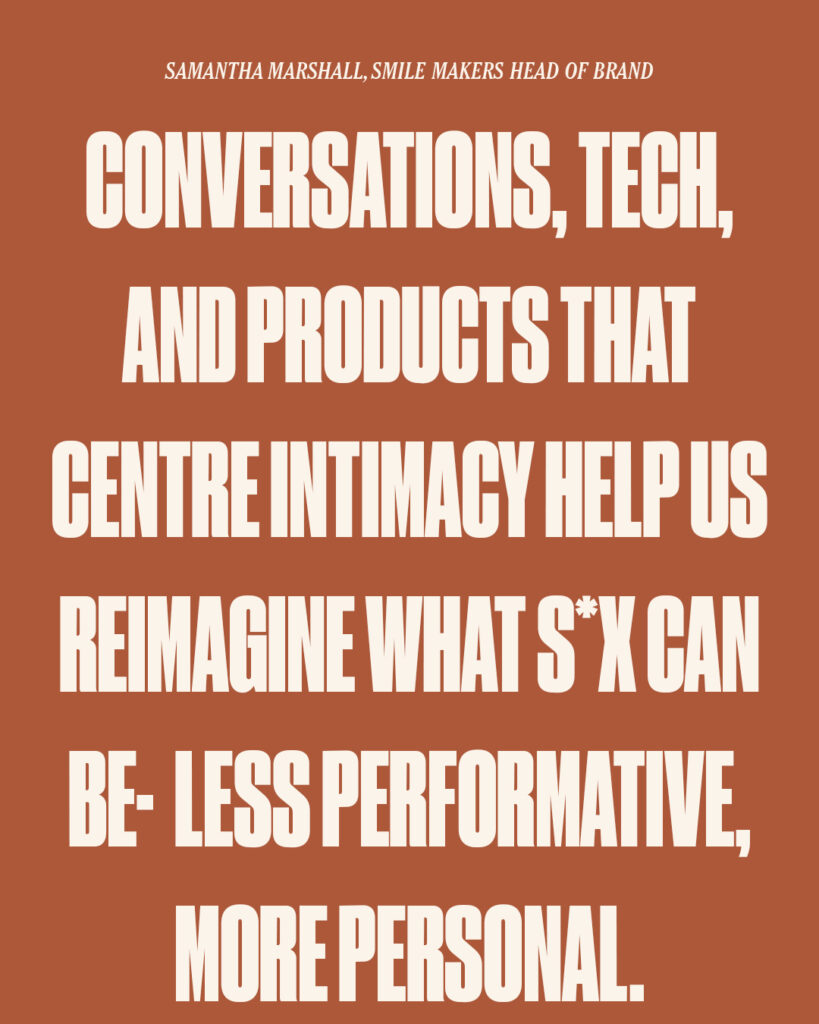
However, this global shift is long overdue. Flash back to a few decades ago, there was an extreme lack of representation of female pleasure, with film, TV and even porn dramas delivering unrealistic expectations of a female orgasm. The rich complexities of female desire and satisfaction were reduced to sex columns in select women’s magazines and speaking out was perceived as shameful. Thankfully, we’re now witnessing all kinds of conversations around women’s bodies, from vaginal microbiome, to reaching orgasm during the menopause, and with that these topics are becoming less taboo. Samantha Marshall, Head of Brand and in-house pleasure expert at Smile Makers says “It’s not about shouting ‘I love sex’ from the rooftops, but about normalising sexuality as part of everyday wellbeing. Sex is deeply human, whether solo or partnered, and it deserves to be treated with the same respect we give to other aspects of health. Conversations, tech, and products that centre intimacy help us reimagine what sex can be – less performative, more personal, and something we can talk about with ease.” Menstrual and reproductive health tracking app Clue is another brand inviting women to connect with these meaningful conversations through their Pleasure & Intimacy Series. The series was created in collaboration with renowned sexual wellness expert Chloe Macintosh, and explores how women can stay present and embodied during intimacy, what arousal and desire really mean and simple practices to shift from performance to sensation. Through insightful sharing on the intricacies of the female pleasure system, Chloe breaks down what it means to become aligned with pleasure in a grounded way. The series hands over simple and practical advice and exercises to reconnect women back to themselves in both mind and body. Research shows that the sexuality of a women goes way beyond the physical body, and so incorporating modern sexual wellness into a cycle tracking experience is a smart step in the right direction.
This space is seeing double-digit growth, especially those with Bluetooth, app integration or biometric feedback. It’s an exciting time for women in pursuit of personalised pleasure.
We’re also seeing a rise in femtech that strengthens the pelvic floor, aka the muscles that support the bladder, bowel, and uterus. It’s important to keep these muscles working at optimal strength since they wrap around the urethra, anus and vagina passages to help keep them shut. The pelvic floor also has a direct correlation to sexual pleasure, but more often than not is only addressed in pregnancy or postpartum recovery. “Pelvic health shouldn’t only come up when there’s something to ‘fix’. Instead, we should approach pelvic health from a preventative and holistic point of view, recognising its link to our overall wellbeing and pleasure throughout life. Tuning into this area of our body can also shape how we see ourselves, boosting body confidence, helping us advocate for ourselves in the doctor’s office, and in the bedroom.” says Marshall. Addressing this issue is the Joylux vFit, an at-home vaginal rejuvenation device that uses a combination of red light, gentle heat, and sonic vibration technology designed to strengthen the pelvic floor and stimulate vaginal tissue. Aimed at menopausal women, the product promises natural lubrication, increased sensation and a feeling of tightness after a few sessions.
With femtech on the rise, utilising cutting-edge technology such as AI and red light therapy, the dial is steadily shifting to putting female pleasure on the map. Together with female-founding companies, willing investors and a growing band of consumer markets, this marks a turning point for how society views intimacy.


© Higher Self Experience
