
THE INTERVIEW
Ali Hassoun on creating a sanctuary for non-performative wellness
Dubai continually pushes the boundaries of the wellness industry, with residents and tourists alike demanding more from their treatments than just spas and gyms. In the past decade the city has seen an acceleration in health consumers seeking combined benefits to their practices. Newly launched wellness modalities, the latest technology, holistic foundations and a social element are sitting at the top of the wishlists. It’s a dichotomy for a city that is also renowned for being high octane and busy.
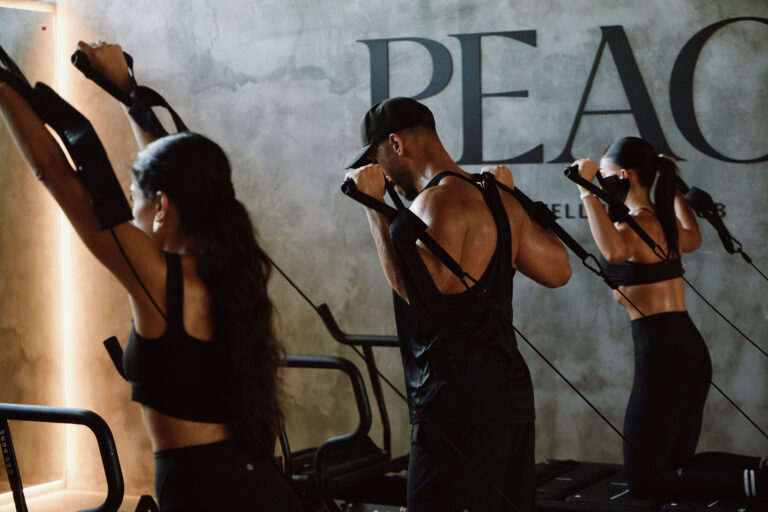
Situated in Al Quoz Dubai, PEAQ Social Club is an inviting new wellness space that aims to create a sanctuary amongst the chaos of the city whilst quietly revolutionising the way we approach health and wellbeing. With physical recovery and mental rejuvenation at it’s core, PEAQ’s members can indulge in an a la carte menu of contrast therapy, sauna, cold plunge, Lagree, massage and compression therapy, and more biohacking modalities such as red light therapy and IV drips are on the way.
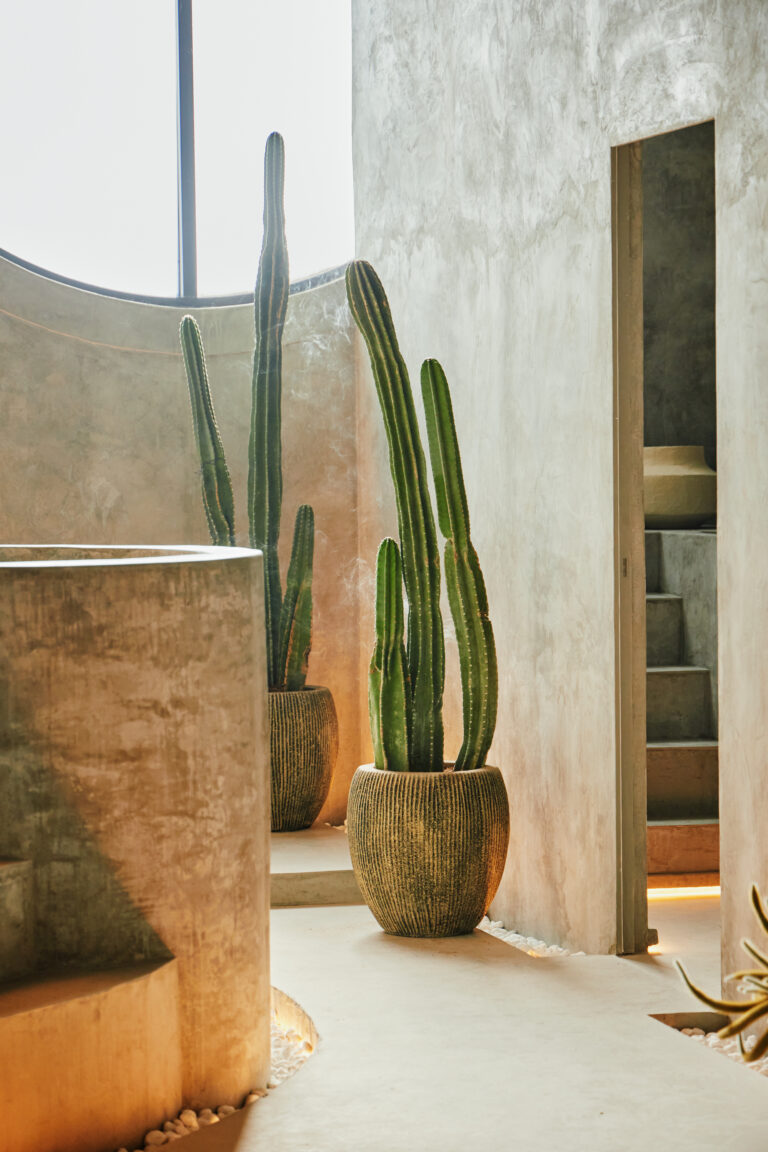
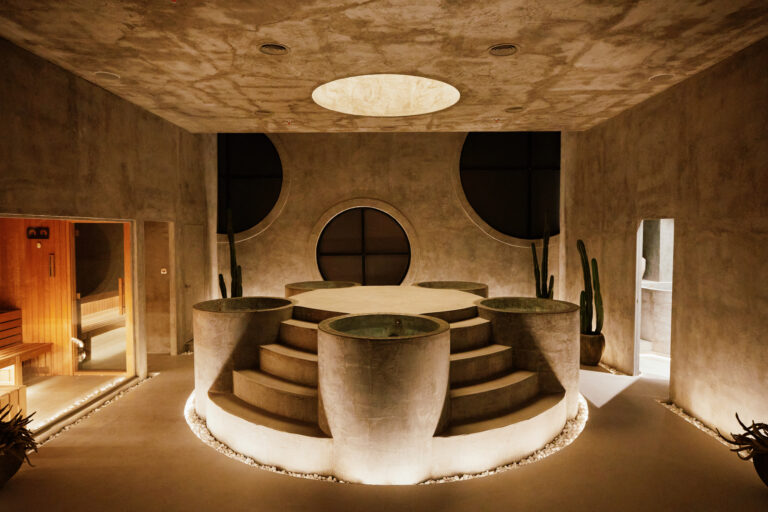
PEAQ is the brainchild of UAE-born entrepreneur Ali Hassoun, who seeks to bring back the social element of wellness and some stillness to fast-paced lifestyles. Arnaldo Puglia of DNA teamed up to drive PEAQ’s vision forward. The entire space is designed for moments of connection and stillness, it almost evokes a monastery. Each design choice feels ultra-intentional, from the natural light pouring in, to zones curated for silence, to social connections through circular seating and communal tables. Hard materials like stone and concrete are given soft organic edges, with Italian mid-century stylings push a design-led element. This is not your regular gym.
Wellness demand and tourism in the UAE is experiencing rapid growth, with holistic health and modern wellness clubs firmly on the map in Dubai. Ali Hassoun has set out to redefine that experience, the PEAQ way. Here, Ali shares more on his approach to wellness and his vision for the future of modern health.
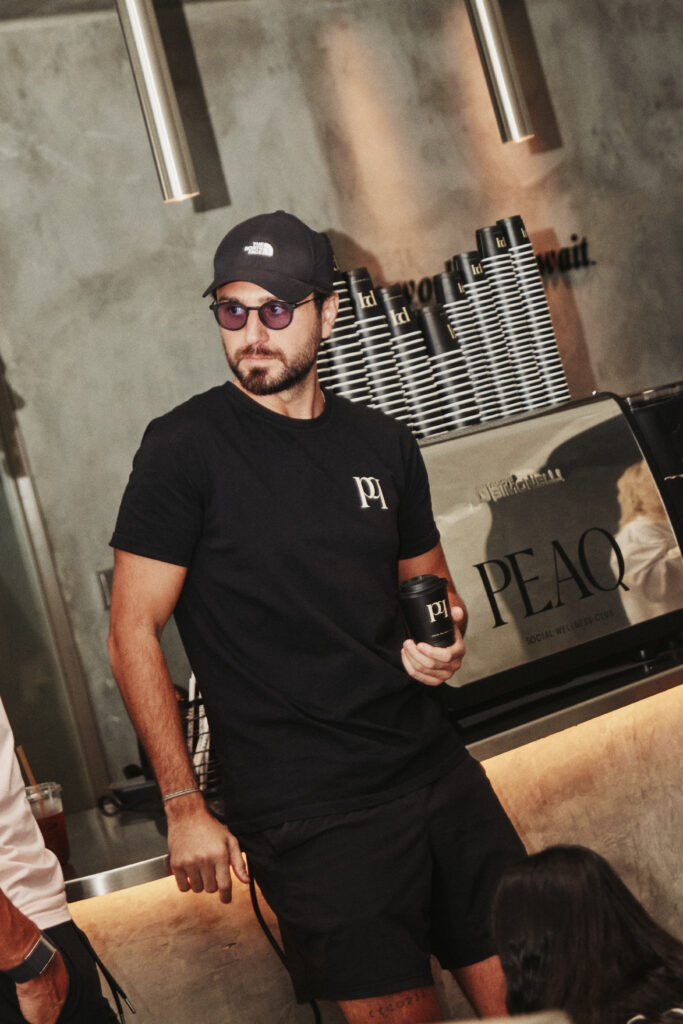
How would you describe the essence of PEAQ to someone who’s never visited?
PEAQ is a space where people come not just to reset their bodies, but to reconnect with themselves and others. It’s a space that blends contrast therapy, movement, and community. If I had to put it simply, PEAQ is where modern high-performers come to slow down, and where wellness becomes social again.
Can you share a moment or experience that truly affirmed your decision to create PEAQ?
During the pandemic, I started hosting informal cold plunges with friends on my balcony. At first, it was just a personal ritual. But slowly, something deeper emerged, people stayed after, talked, shared, opened up. It was clear we weren’t just coming for recovery. We were coming for connection. That shift from solo to shared was when I realised this wasn’t just about wellness. It was about belonging. And it needed a home.
How does PEAQ aim to restore the social element of wellness?
I think somewhere along the way, wellness became very individualistic, something we chased in isolation, in silence, behind screens or apps. But healing has always been communal. We’re wired for co-regulation, for support, for shared experience.
Let’s take a moment to discuss the architecture of the club and explore your vision board on developing that. What were your main references or moods you wanted to evoke in the space, colours and materials used?
For me, the space needed to feel more than just functional, it had to feel human. I drew inspiration from traditional communal spaces, where healing and connection happened naturally. At PEAQ, I wanted to bring that same energy into a modern environment. The raw concrete was meant to ground the space, while the softer curves and textures invite a sense of calm and openness. Whether it’s the circular café seating or the shared stillness of a cold plunge, every element was chosen to create moments of connection, where people can feel safe to drop their guard and just be.
“I want PEAQ to normalise rest, not as a luxury, but as a foundation. I want people to remember that slowing down is not weakness, it’s wisdom.”
If you had to pick one overlooked detail in the space that quietly impacts how people feel or behave there, what would it be?
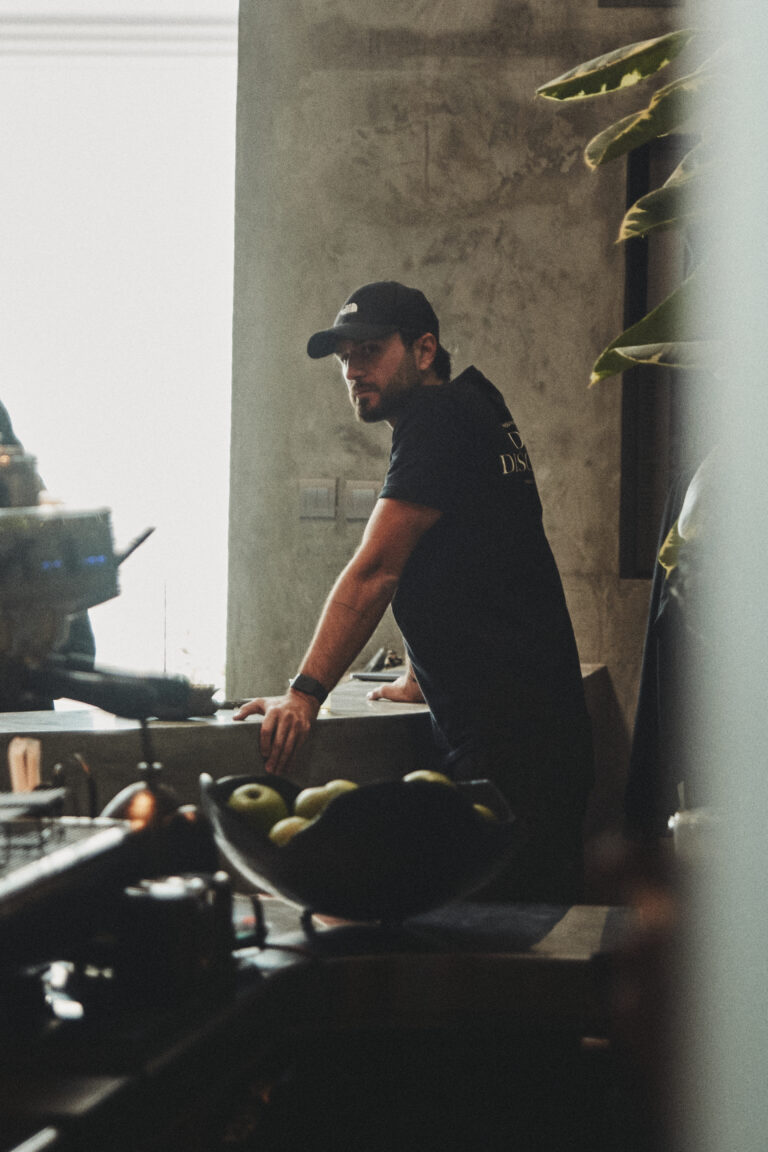
The silence. We’ve been very intentional with acoustics, how sound travels, how pauses feel. In a city that’s constantly buzzing, stillness is a rare luxury. That ambient quiet isn’t just peaceful; it invites people to slow their pace, drop in, and actually listen to their own bodies. That kind of presence creates a completely different quality of interaction.
We are seeing ‘self-optimisation’ in wellness centres all over the world, how do you differentiate between meaningful wellness and performative wellbeing?
To me, meaningful wellness is rooted in intention, not aesthetics. It’s not about how many supplements you take or how many biohacks you’ve mastered. It’s about how you feel when no one’s watching. Performative wellness is loud, curated, often rooted in pressure. What we’re creating at PEAQ is quiet, felt, and internal. We’re not here to impress, we’re here to integrate.
When you think about the wellness landscape in the UAE today, what excites you most and what challenges do you see?
I’m excited by the openness. People here are curious, hungry for new experiences, and ready to invest in themselves. But the challenge lies in how fast everything moves. Wellness here can sometimes mimic the pace of the city: go hard, move fast, stay ahead. At PEAQ, we’re trying to offer a counter-rhythm. One that’s slower, deeper, and more sustainable.
How do you navigate bringing global modalities into a region that also has its own cultural and healing traditions? How do they work as a whole?
It’s about respect and resonance. Many of the tools we use, like contrast therapy or breathwork, are ancient in origin and universal in nature. The goal isn’t to replace local practices but to complement them, to find shared language through the body. Healing traditions from this region have always emphasised communal care. We’re just giving that ancient wisdom a modern frame.
Has your definition of success shifted since starting PEAQ?
Completely. I used to think success was about outcomes; revenue, recognition, reach. Now I see it as resonance. Is the space doing what it was built to do? Are people actually feeling better, more connected, more grounded? That’s the true metric for me now. Presence over performance.
What legacy do you want PEAQ to leave- not just in the wellness industry, but in culture?
I want PEAQ to normalise rest, not as a luxury, but as a foundation. I want people to remember that slowing down is not weakness, it’s wisdom. And I hope we’re remembered not for how “advanced” we were, but for how human we made it feel. The deeper impact is cultural: reframing recovery as a shared, aspirational, and essential part of life.
What does the idea of peak performance and wellness mean to you?
For me, peak performance isn’t about pushing harder. It’s about learning when to pause. It’s a rhythm.. an interplay of stress and recovery, of doing and being. Wellness is the baseline that makes high performance possible. Without it, we’re just burning out in disguise. True performance has to include joy, rest, and longevity.
© Higher Self Experience
