THE INTERVIEW

HUM2N founder Dr Mohammed Enayat is optimising life at every stage and ultimate precision in self care

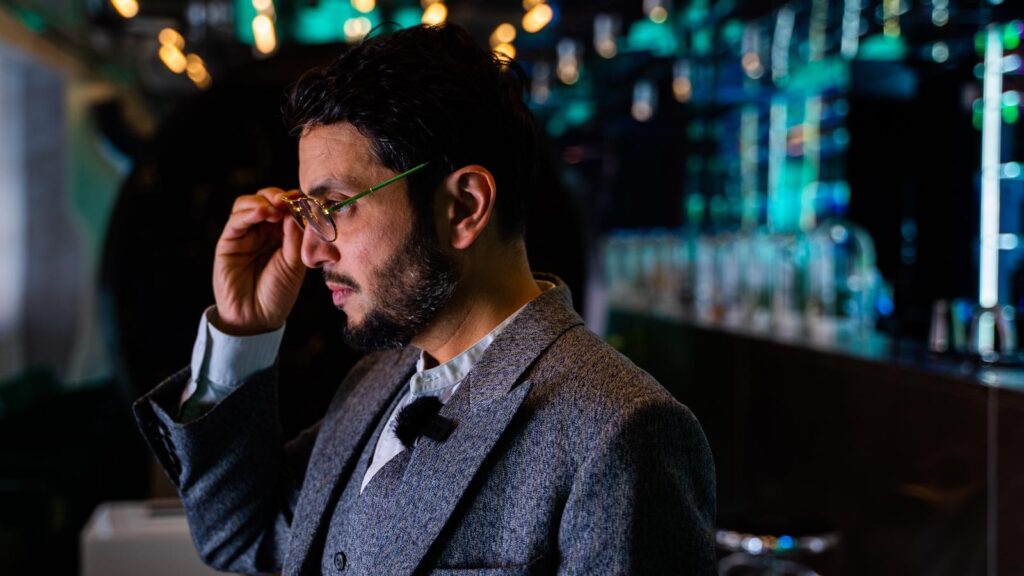
HUM2N founder Dr Mohammed Enayat

With preventative healthcare on the rise, HUM2N delivers a revolutionary approach combining longevity and biohacking solutions. HUM2N is London’s first longevity clinic, consisting of state-of-the-art technology and personalised programmes that help patients optimise their data in order to undertake the correct therapies. With a testing lab, hyperbaric oxygen therapy (HBOT) chamber, IV lab, and functional medicine consultations, in one modern space in West London, this really could be a glimpse into the future of how we approach our health. The visionary behind it all is Dr Mohammed Enayat, a GP and TEDX Speaker, who challenges traditional healthcare systems by approaching health and wellness from the ground up. Here, Dr Mohammed talks more on his approach to treating the body for healing and optimisation.


What problem in healthcare or wellness kept you up at night before HUM2N was born and how did that shape your first blueprint for the clinic?

The biggest issue was watching patients fall through the cracks of a reactive system. Conventional medicine focuses on disease management, not optimisation. That frustrated me. I wanted to build a clinic that reversed that model – one that used data, technology, and systems biology to prevent illness and elevate human potential. HUM2N began as a blueprint for a proactive, personalised healthcare ecosystem that meets people before they get sick, and keeps them well for longer.


How do you approach designing personalised treatment plans at HUM2N?


Every plan starts with data. We look at advanced bloods, genetics, lifestyle, environment, stress, sleep, and biological age. But beyond numbers, we listen – to goals, symptoms, habits, and mindset. Personalisation isn’t just scientific, it’s human. We design protocols by layering diagnostics with functional insights, always asking: what does this person need right now to function optimally? Then we deliver it, from supplements and biohacking to behavioural and nutritional reprogramming.

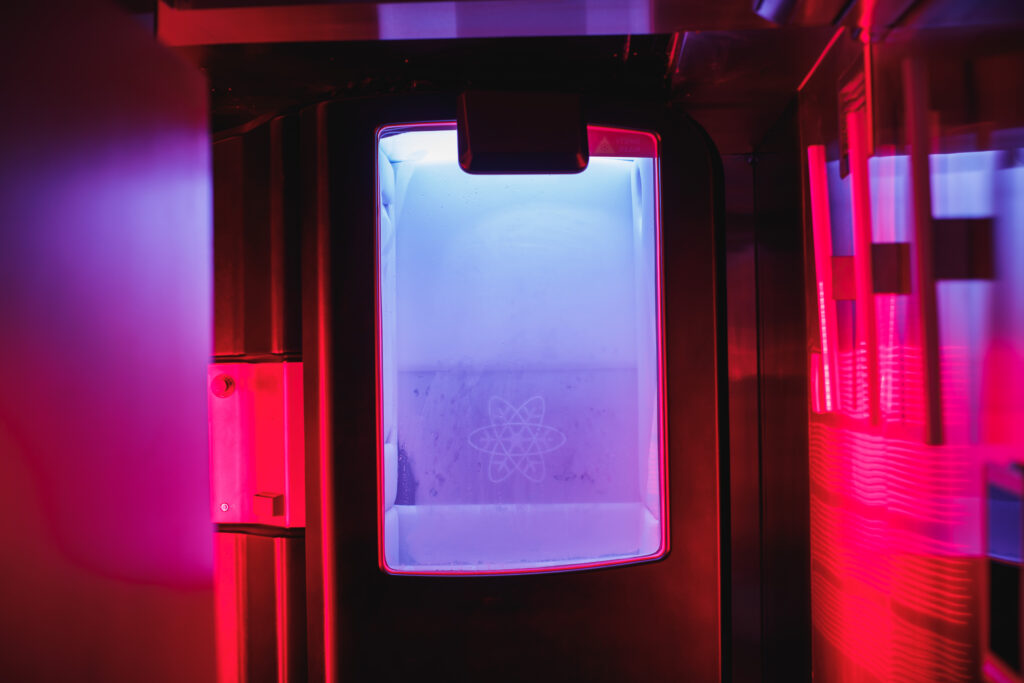
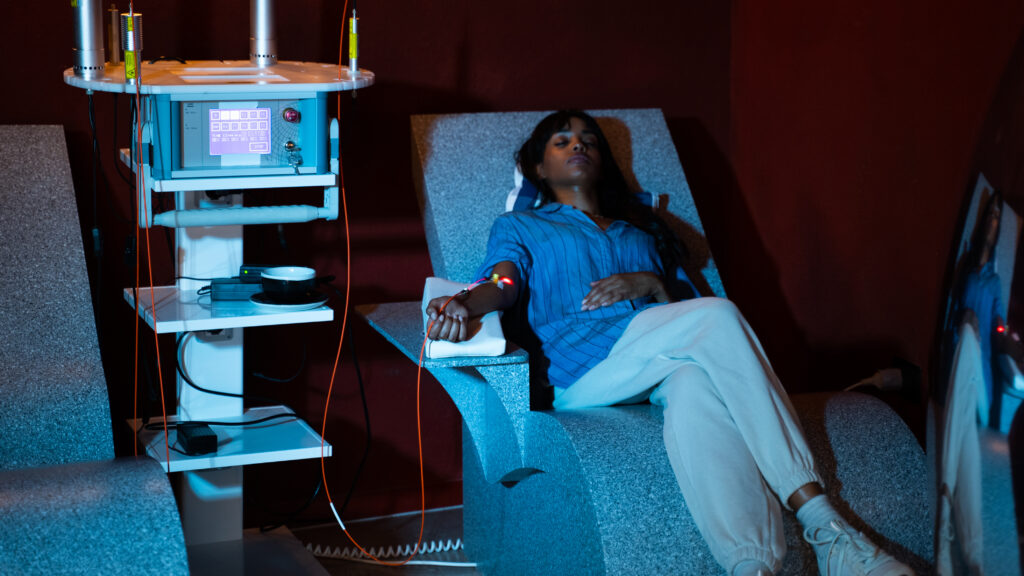
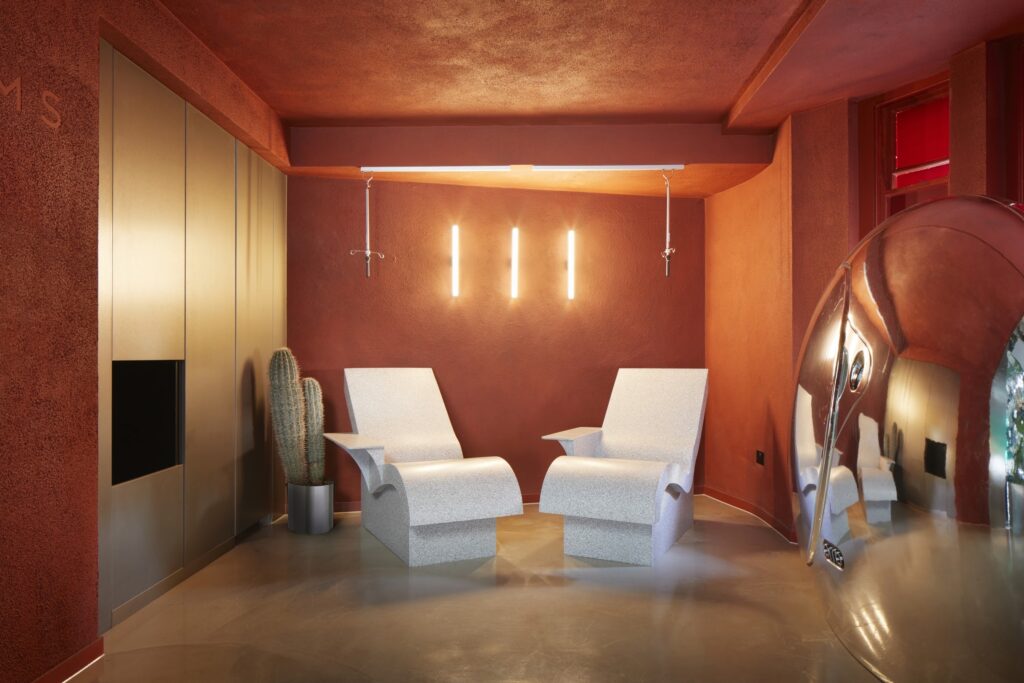
Above: treatments at HUM2N
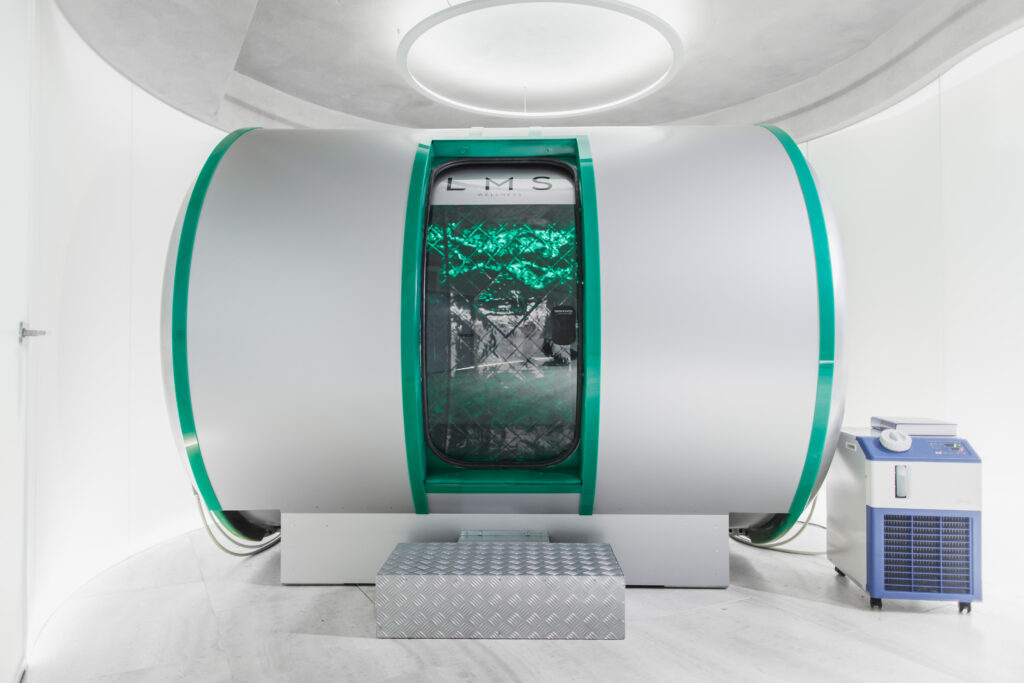
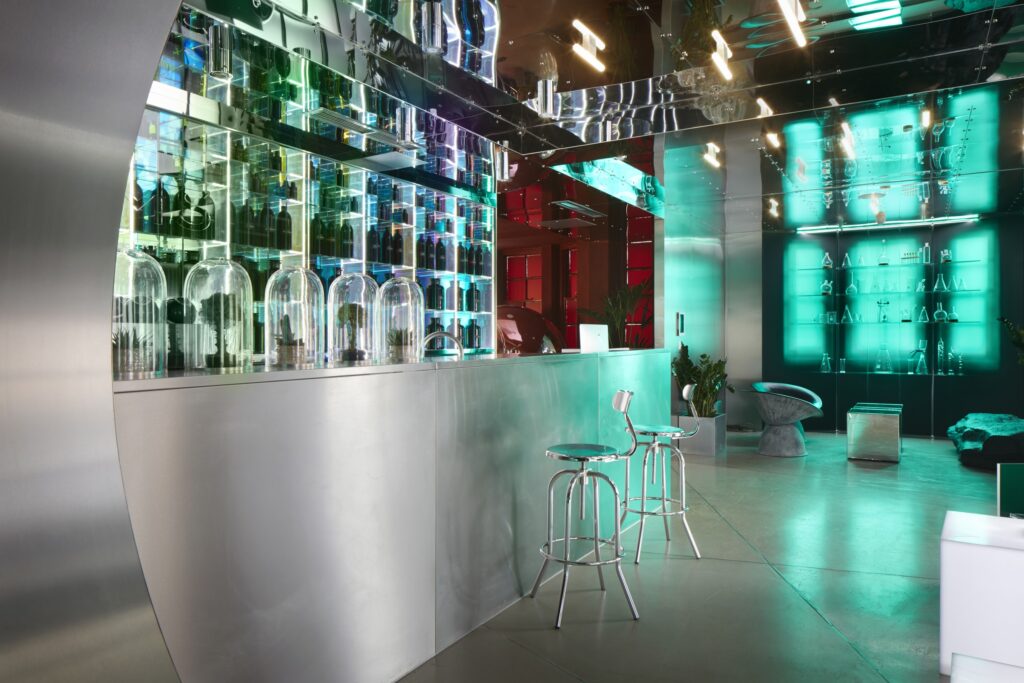
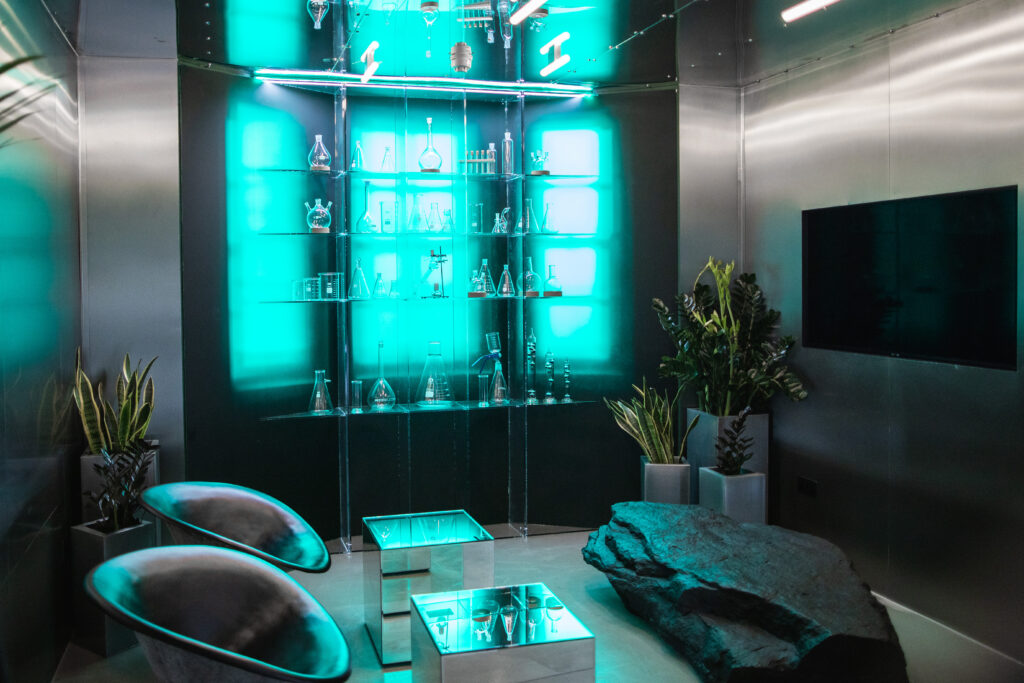
Above: the HUM2N clinic space

What’s the biggest public misconception about biohacking treatments?


That they’re just fads or shortcuts. In reality, biohacking is grounded in biology and neuroscience – it’s about leveraging evidence-based tools to optimise cellular function. Many interventions we now call “biohacks” are simply early versions of what will become standard practice. The key is applying them in the right context, under expert guidance, not chasing trends.


HUM2N has some of the most cutting-edge equipment and protocols. Could you walk us through a few of the most transformative ones?


Our Hyperbaric Oxygen Chamber accelerates tissue repair and neurogenesis. NAD+ IVs boost mitochondrial energy and slow cellular ageing. Ozone therapy supports detoxification and immune modulation. ReOxy therapy enhances oxygen efficiency and metabolic resilience. Each is powerful on its own, but their true potential is unlocked when integrated into a personalised, ongoing plan.


Are there any tools or therapies you use now that the healthcare industry would have considered ‘fringe’ or experimental just five years ago?


Absolutely. NAD+ therapy, genetic testing for personalised protocols, and HBOT were once seen as fringe. Even the idea of using continuous data (like CGMs or HRV) to drive day-to-day health decisions was niche. Today, they’re becoming the gold standard for performance and prevention, and will soon be mainstream clinical tools.


If you could invent one device that doesn’t exist yet to further your mission at HUM2N, what would it do?

I’d create a real-time, full-body biological dashboard, a non-invasive device that integrates blood biomarkers, organ function, inflammation levels, mitochondrial health, and neurochemistry. Like a personal control centre that shows where you are today vs. optimal, and exactly what to do next to improve, in real-time.

If HUM2N had zero limits and no regulatory barriers, how would you evolve it over the next 10 years?

We’d scale globally as a decentralised, AI-powered health OS. Clients would have wearables integrated with real-time diagnostics and 24/7 functional medicine support. Therapies would be delivered on demand, at home or in mobile labs. Prevention would replace intervention. HUM2N would become your operating system for life – seamless, predictive, and personalised.


Longevity is often talked about as a number (in years). What’s your personal definition of longevity, and what does a long life well-lived look like to you?

To me, longevity isn’t about surviving longer,  it’s about performing at your peak for as long as possible. That means energy, clarity, strength, emotional resilience, and joy into your 80s, 90s, even 100s. A long life well-lived is one where you don’t decline,  you evolve, with agency and vitality.


Do you think we’re entering a ‘post-hospital’ era in the age of wearables, AI, and self-quantification?

Yes, we’re witnessing a major decentralisation of health. Hospitals will always have a role, but the future of medicine is proactive, personalised, and home-based. With wearables, AI, and continuous data, we can detect dysfunction early, intervene fast, and keep people out of hospitals altogether. It’s a new model of precision self-care.


What has pursuing your work with HUM2N taught you about your own health that medical school didn’t?

Medical school taught me how to treat disease. HUM2N taught me how to optimise life. I learned that health is a spectrum, not a binary. Just because labs are “normal” doesn’t mean you’re thriving. True health requires energy, clarity, performance, and recovery, and all of that requires going deeper than symptoms.


List 3 of your top non-negotiables when it comes to looking after yourself:

  1. Daily movement — even 20 minutes to reset my nervous system.

  2. Sleep hygiene — consistent wind-down, temperature, and tech limits.

  3. NAD+ or mitochondrial support — I practise what I prescribe. My energy depends on it.