
Sleep rituals for rest: In conversation with Jasmin Harsono
An expert insight series for Sleep Awareness Month 2026, exploring the science and optimisation of sleep for improved health and vitality
Continuing our expert series for World Sleep Awareness, we welcome Jasmin Harsono to share more on her approach to rest, meditation and relaxation to support the nervous system. Jasmin is an intuitive wellness guide, multi-sensory artist, author, speaker and brand advisor who specialises in energy and sound healing for personal transformation. She founded Emerald and Tiger, a lifestyle brand and wellness community offering events, in-person sessions and retreats. Her debut book Self Reiki: Tune in to Your Life Force to Achieve Harmony and Balance (DK) is an illustrated guide to lifeforce energy and is full of accessible approaches and tools to hardness meditation and relaxation for daily life.
Sleep Awareness Month offers a chance to deepen our knowledge of the body and the concept of rest. We are surrounded by so many ways to track our health metrics, adjusting our exercise and eating habits accordingly; however, sleep hygiene is often overlooked. During the course of this month, we invite health and wellness experts to explore and discuss the topic of sleep. We will discuss accessible tips and habits to enforce better sleep, and pick apart some of the common issues that impact our ability to experience deep rest.
As an intuitive wellbeing expert, Jasmin is well-versed in helping clients tap into self awareness by understanding their energetic and physical body, and treating it as a whole.
Read on as Jasmin shares simple rituals, intentional practices and affirmations that can gently prepare the body for deep, restorative sleep.

In your experience as a Reiki healer, how do you help people feel restored and rested?
Restoration begins with feeling safe and welcomed. Through Reiki, gentle presence, and deep listening, I offer a compassionate, non-judgemental and supportive space where the whole person (physically, mentally, emotionally and spiritually) can soften and settle. From this place, the body and nervous system can begin to rest.
At the start of a session I invite people to connect with their intention in the present moment. Intention is an important foundation of energy work; through intention we meet ourselves. Whatever is present is welcome, not just the calm parts, but the tired or anxious parts too.
It is not about me doing something to them. It is about holding the right environment for them to open to their own life force energy. Most people rarely give themselves permission to deeply rest. Even when they stop, their mind keeps going. That one hour can be deeply restorative simply because they allow themselves to be held in a safe space and let go for a while. Our body knows the score and so when the space feels safe enough, the body remembers how to restore itself.
What is happening on an energetic level when someone feels tired?
Each layer of us needs balance. When one is out of rhythm, we feel it. Tiredness is often a signal that our energy needs space, care, and reconnection.
It can arise when we are pushing beyond our natural rhythm or not fully expressing our true selves. When the layers of the body’s energy lose coherence, energy scatters instead of flowing. Tiredness is then an invitation to slow down, return to centre and call our energy back home.
Finding space to rest deeply can be challenging. Many of my clients struggle to slow down, which often comes from early messages that we must keep going. Energetically, this gets held in the body, making rest feel uncomfortable at first. True rest for all layers of our being is essential, but it is also a practice.
The energy in nature naturally supports the flow of our life force. Being present outdoors helps the body and mind relax, release stagnant energy, and reconnect with balance.
Body scan energy healing is a practice I find really helpful for tuning in to the body and understanding why we may feel a certain way. To try it, sit or lie comfortably and take a few slow, deep breaths. Place your hands gently on different areas of your body, your heart, belly, or wherever you feel tension. Bring attention to each area, noticing sensations, heaviness, or restlessness without trying to change anything. You may sense where energy feels stuck, scattered, or depleted. Simply holding space with your hands allows energy to settle, flow, and realign. Spending even a few minutes like this can restore balance and reconnect you with your life force.
Many people struggle to feel safe enough to truly rest and sleep well. How do you see safety and the nervous system influencing our ability to fall (and stay) asleep?
Feeling safe is at the heart of true rest. Sleep only happens when the nervous system senses it can let go, when the body and energy know they no longer need to stay alert or protect themselves. Many people carry tension or beliefs from early life that they must keep going, and energetically this creates resistance to rest. Other factors, including caring responsibilities, parenting, stress, anxiety, neurodiversity, or constant stimulation, can also make rest feel out of reach. For those who have experienced trauma, serious illness, or loss, sleep can feel even more impossible, bringing up feelings or memories we would rather avoid.
I often work with people in the cancer community or those bereaved by suicide, and I’ve found that starting with practices that feel like “doing” can help. Humming, toning, or creating gentle sound gives the body and mind a focus and intention. The vibrations seep into the unconscious and signal to the nervous system that it is safe to slow down. The body begins to relax, rest, and digest. Over time, people begin to feel anchored and safe within themselves, a form of true compassion and love offered to the body.
One simple practice is to sit or lie comfortably, place your hands on your heart and belly, and hum or make a soft tone. Feel the vibration in your chest and body. Bring attention to areas where energy feels scattered or tense, and imagine it gently settling and flowing. Even a few minutes of this helps the nervous system feel safe, restores energy, and invites deep rest and sleep.
Rest is not passive. It is an active, energetic practice. By allowing ourselves to slow down, be present, and process whatever arises, we reconnect with our energy, find flow, and show up more fully in life.
“Rituals attune the body and energy to recognise safety and restoration, reinforcing natural rhythms and the nervous system’s capacity to relax”- Jasmin Harsono
You share a beautiful practice for winding down in your book Self Reiki. How does something as simple as a bedtime ritual shift the quality of sleep in a measurable way?
Thank you. Ritual is very important to me; it shapes my own practice and I believe bedtime can and should be a ritual too. Life brings many challenges, so I’m not suggesting it is always easy. Yet easeful rituals can help us feel prepared, offer moments to pause and check in with ourselves, and support rest, sleep, and restoration. In Self Reiki, I share examples such as Evening Meditation (page 98), Reiki bath (page 80) and Enjoy Your Sleep (page 116).
One practice is to place your hands on your heart and belly while lying in bed and take a few rounds of slow, deep breaths with long exhales. This opens us to our life force energy, releases tightness, and creates space for awareness and natural flow. It signals to the body that it is safe and grants permission to rest. Even if sleep does not come immediately, the body and energy begin to receive nourishment as the nervous system settles. Over time, this helps anchor energy, ease tension, and support deeper, more restorative sleep.
The effects of these practices are tangible, you feel calmer, more grounded, less restless, and genuinely restored upon waking. Rituals attune the body and energy to recognise safety and restoration, reinforcing natural rhythms and the nervous system’s capacity to relax.
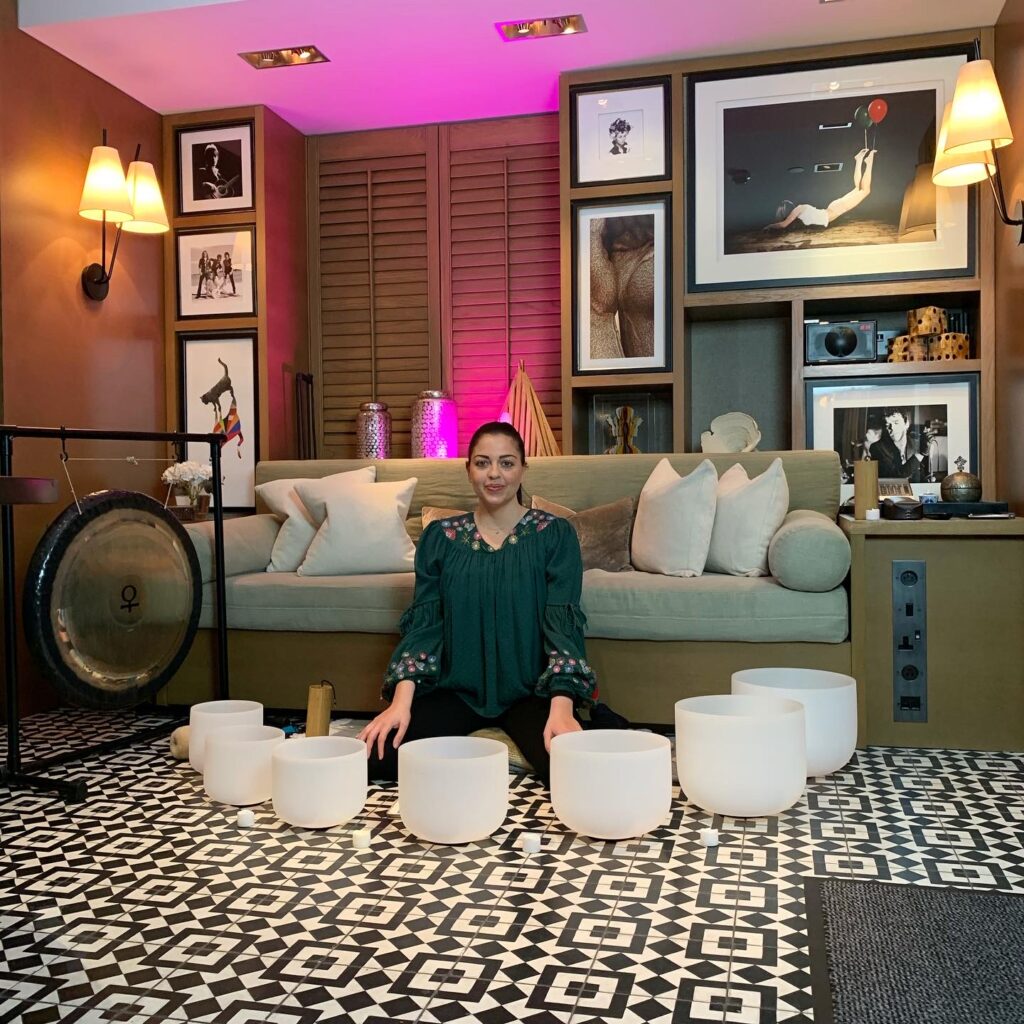
As someone who works deeply with sound and voice, what role does frequency play in calming the body before sleep?
The more mindful we are of the sounds and frequencies in our daily lives, the more the body receives their benefits, which contributes to better rest and restorative sleep. Everything in the body is connected, and sound resonates with us on multiple levels. Our bodies are 60-70% water, which responds to vibration, allowing frequencies to move through us, settle energy, and support natural relaxation. When combined with intention, frequency becomes a powerful tool for guiding the body and nervous system from alertness into rest.
I also like to include the power of words and the way we use our voice with ourselves. Phrases such as “My body serves deep rest”, “I honour my body’s need to slow down” or “I am calling in a peaceful sleep tonight” help to embed positive, creative frequencies in the body. Incorporating gratitude or gentle affirmations before bed further supports this process, allowing the nervous system and energy to shift into a more restorative state.
Humming is a natural extension of this work. The voice is a profound healing instrument we all possess, and research is beginning to catch up with its impact. Just a few minutes of intentional humming before bed, combined with setting your intention, can help the body and nervous system settle, promote coherence in energy, and prepare both body and mind for deep, restorative sleep.
I often use pink noise, which I find to be gentler than white noise to smooth out background distractions. It creates an enveloping, calming vibration that allows the nervous system to feel ease. Noise such as traffic or city sounds not only keeps the body alert, but can also create subtle dis-ease. Nature and plant sounds provide a similar rhythmic, safe environment. Specific frequencies such as 432 Hz and 528 Hz may encourage relaxation, while brainwave-targeted sounds, including Delta (0.5–4 Hz) and Theta (4–7 Hz), as well as binaural beats, which present slightly different frequencies to each ear to guide brain activity, help the body and mind move into deep, restorative sleep.
In a world saturated with stimulation, how can we create sensory conditions in our external environment that genuinely invite the body into deep rest?
Similar to the previous question, it starts with awareness: noticing the noise and stimulation around us, and recognising what in our homes or surroundings disrupts rest and sleep. Creating sensory wellness means offering the body a different kind of input: one that supports, nourishes, and gives space to slow down.
Practical ways to do this include spending time in nature, feeling your feet on the earth, and connecting with the grounding energy that research shows has measurable effects on the nervous system. Breath awareness is another powerful tool; taking deep, slow breaths and focusing on long, audible sighs can help release tension and allow the body to let go. You can even imagine the tension as dark sludge leaving the body, which makes the practice more embodied.
I also emphasise humming, because the voice, like the breath, is a natural healing instrument we all possess. Using it before sleep and at any time, even for just a few minutes, can instantly settle the nervous system, harmonise energy, and invite deep rest. Combined with mindful attention and gentle sensory practices, these approaches create an environment that supports the body in slowing down and restoring itself.
For someone who feels disconnected from their body or has frequent night wakes, could you share a simple practice that gently rebuilds trust with themselves in order to fall asleep again?
I believe deeply in the power of using the voice to reconnect with the body. One simple practice I often share is to take long, audible sighs and say to your body, “It’s okay, I am still resting, and as I sigh out, I am calling in sleep again.” You can place your hands on areas that feel tense or need support, using touch as a gentle affirmation to go deeper into rest. I like to also use touch to follow the rise and fall of my breath and imagine bright light flowing inside of me.
Humming with intention is another wonderful extension of this practice. Using the same affirmations while releasing a soft hum can be done quietly, yet it subtly massages the body and encourages the nervous system to settle. These techniques, with practice, help rebuild trust with your body and energy, allowing you to fall back into sleep with ease.
Many of my clients find it helpful to listen to supportive guided meditation and soundscapes before bed. My two albums, Inner Calm and Resonance of the Earth, are designed for this purpose, and those with sleep difficulties have reported noticeable improvements in their ability to relax and sleep more deeply. You can find both albums here: https://bio.link/emeraldandtiger I also specialise in creating soundscapes and guided meditations, which can be tailored to individual needs.
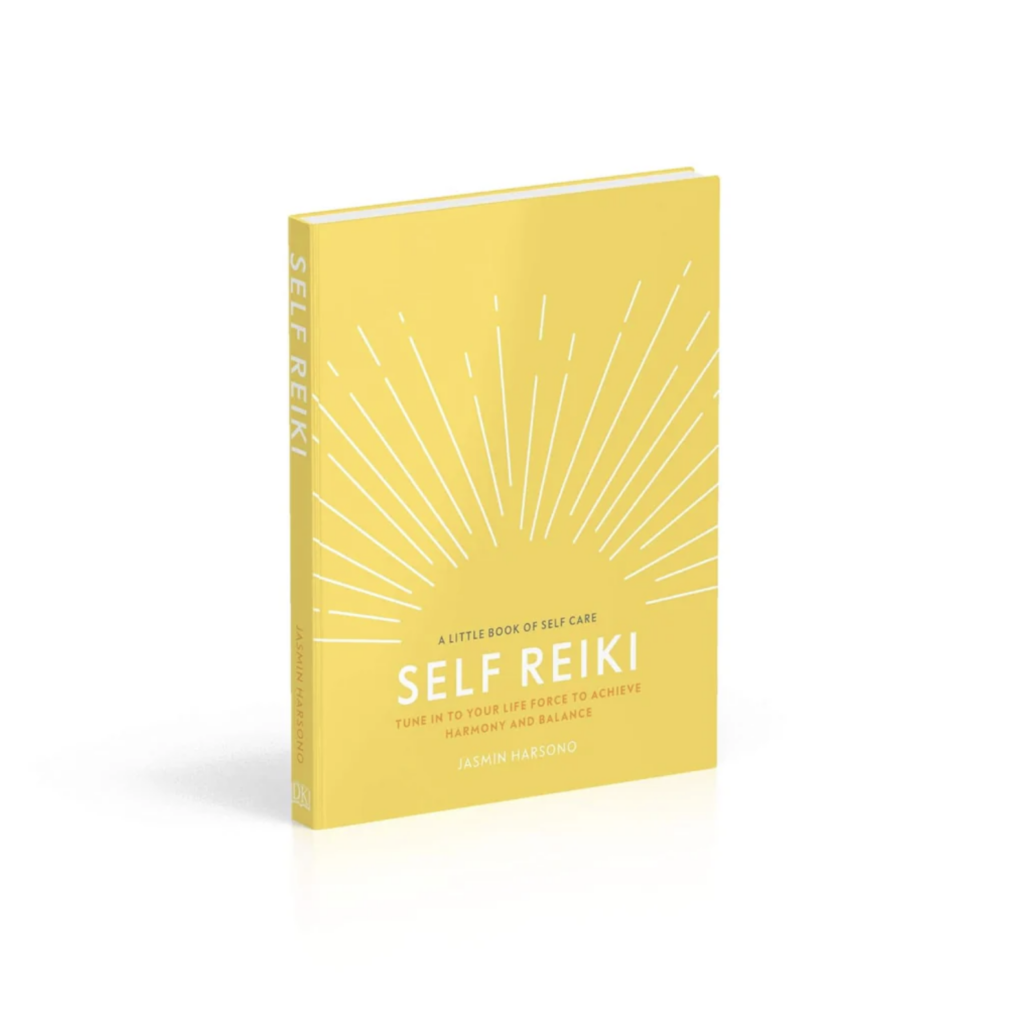
Studies have pointed out that people are not getting enough sleep, with women especially finding it hard to wind down at night. Are there any practices personal to women’s health and hormonal biology that you recommend for better sleep?
Women’s sleep can be affected by hormonal changes across the menstrual cycle, perimenopause, and other life-stage shifts. One of the most helpful practices is journalling or gratitude writing, which allows us to notice patterns in energy, sleep, and emotions, and to check in with ourselves in a non-judgemental way. In my book, Self Reiki, I share practices such as a Womb Healing meditation (p.132) and a gratitude journalling exercise (p.73), among many others, to support women in connecting with their bodies and cycles.
I also find energy and sound work invaluable. Using intention, vibration, or gentle voice practices, like leaving positive notes around the home, recording a message of love to yourself, or humming with affirmations, can hold space for the body and nervous system and help anchor rest. These practices are adaptable to what the body needs at any moment and can be deeply personal.
Speaking from experience, having navigated perimenopause while living through endometriosis, fertility challenges, cancer, and depression, the most grounding practice for me is daily gratitude for my body. Meeting ourselves with kindness as we move through waves of emotion and energy shifts is essential. Staying connected, showing love, and trusting the body’s wisdom are powerful ways to restore balance, support sleep, and nurture overall wellbeing.
Aside from energy and sound healing, are there any other holistic modalities or wellness technology you have seen produce results for better sleep, either for yourself or your clients?
Aside from energy and sound healing, I’ve seen great results with practices that support the body physically, emotionally, and energetically. Somatic work, lymphatic stimulation, gentle tapping, and mindful movement are all energy- and vibration-based approaches, closely linked to sound and energy work. They help the body release tension, settle, and feel grounded, naturally supporting restorative sleep.
Wellness technology can also be supportive in certain cases. For example, red light therapy can help regulate circadian rhythms and encourage relaxation. That said, I tend to prioritise the body’s natural ability to restore itself, spending time in nature, connecting with breath, energy, and sound, and see technology as a complementary tool rather than a replacement.
There are also more personalised approaches that make a real difference. For me, animals, particularly dogs, are hugely therapeutic, and practices like mindful eating, herbal support, acupuncture, or restorative heat therapies such as the sauna provide additional support. Sometimes, though, it’s not about adding more, but about noticing what we need to cut out: less can be more. The key is listening to your own body, noticing what it enjoys, and discovering what helps it feel balanced and nurtured. When we tune in and create practices that genuinely support us, the body can relax, restore, and prepare for deep, restorative sleep.
What are your top three non-negotiables for a good night’s rest?
Fresh air in the bedroom: I always open the window before bed, even in winter, to let the room breathe; it creates a sense of ease.
Time to truly wind down in bed: I like to cosy up, snuggle, and enjoy the moment before sleeping.
Setting intentions and gratitude journalling with energy or sound-based meditative work: my favourite way to end the day; sometimes just for a few minutes, but I make the time I have count.


© Higher Self Experience
