Holistic health seekers are wild about light therapy, the non-invasive LED technology known for a host of benefits including boosting mood, stimulating collagen production and providing relief from migraines. An array of products is available to target every part of the body, from LED face masks and panels, to hair growth helmets and palm-sized devices for hands.
However it’s red light that paved the way as the popular choice for diminishing wrinkles, fine lines and sun damage. Higher Self first wrote about red light therapy in 2018, and since the pandemic this sector has seen a global boom thanks to those seeking to boost their immune health as well as reap the benefits in their skin. One study carried out by CivicScience in 2024 found that 16% of adults in the US have used red light therapy and another 16% plan to do so. The light therapy revolution is accelerating, powered by cutting-edge technologies and bold innovations in optical science that go far beyond red light. So, what groundbreaking advancements are on the horizon for this rapidly expanding industry?
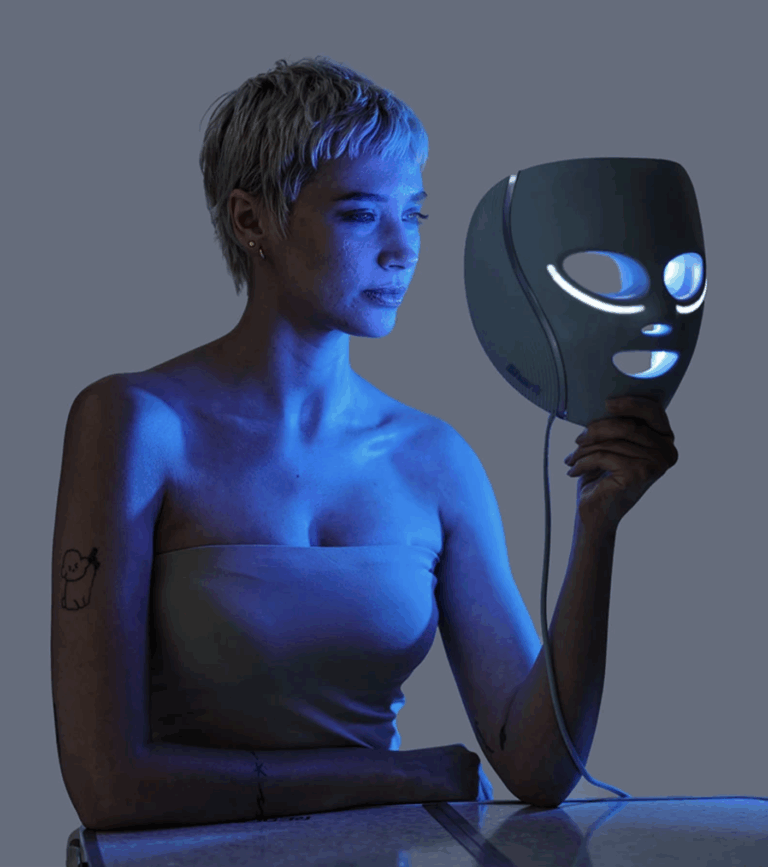
Shark CryoGlow
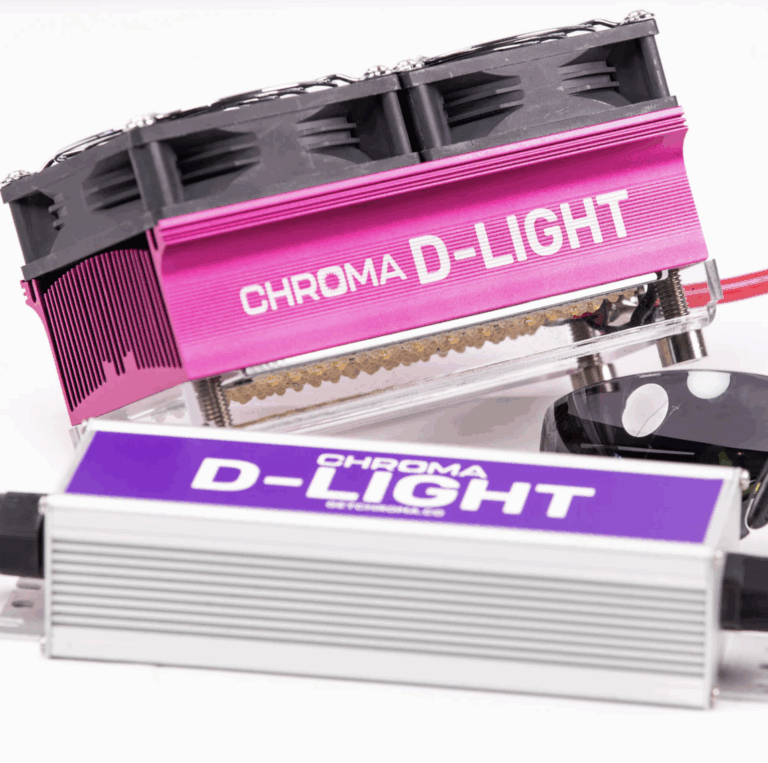
Chroma D-Light
Near Infared Light. Best for: Vitamin D production
SAD lamps are available to those suffering from Season Affective Disorder, a type of depression linked to the darker seasons, and mimic the feel of sunlight for circadian rhythm alignment, alertness and mood. However, this form of Bright Light Therapy (BLT) contains little to no UV rays to stimulate production of vitamin D in the skin of the user. Going the extra mile is Chroma’s D-Light is an LED Vitamin D Light that uses Narrowband UVB, Violet, Red, Deep Red, and Near-Infrared to achieve a Vitamin D exposure akin to being in the sun. SunLED created SunBooster, which infiltrates the cells using Near-infrared (NIR) light to boost their energy production. This process, called Photobiomodulation, distributes through the bloodstream to power up the entire body, claiming to benefit energy, less drowsiness, better mood, reduced inflammation, increased physical health and more.
Blue Light Laser Therapy. Best for: for Acne
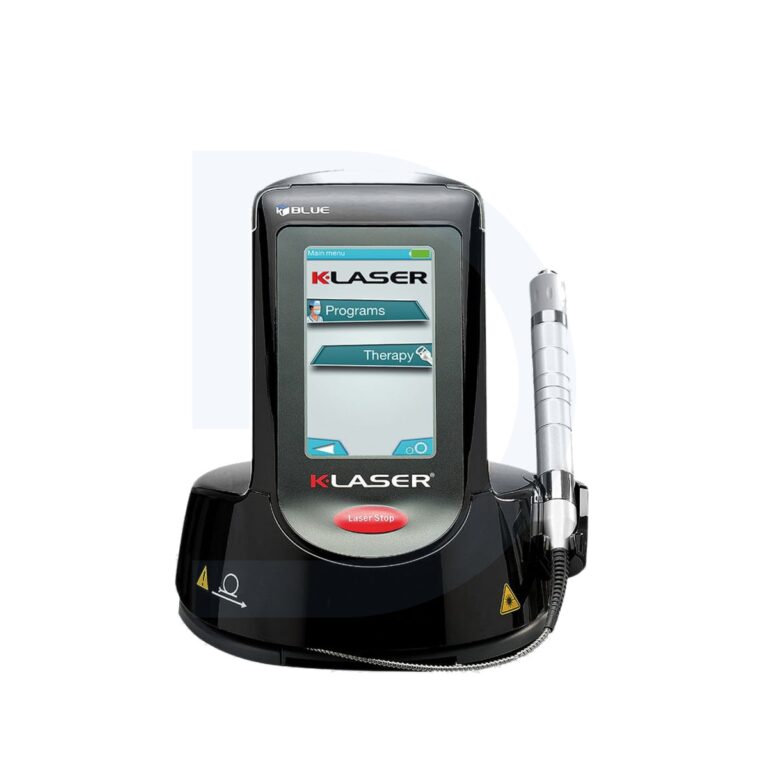
Blue light is the darling of the dermatological scene with its’ naturally antibacterial properties, meaning it can kill or stop the growth of bacteria in the pores- especially the kind that causes acne. Versatile devices for Low-Level Laser Therapy are popping up on the consumer market, meaning improved skin conditions such as eczema, psoriasis can be treated at home with the touch of the button. K-LASER BLUE is a portable blue light laser used for healing and repair, created by VBS Medical Ltd who specalise in a variety of technology aimed at the medical and home-use market. The device omits specific wavelengths of blue light to stimulate cellular function and promote healing.
K-Laser Blue Derma
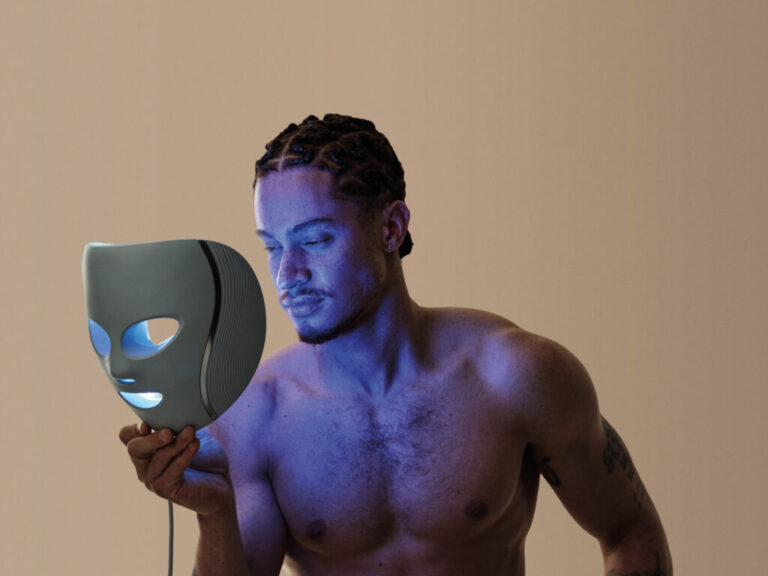
Shark CryoGlow
Cryo-Light Therapy. Best for: Depuffing
Cryotherapy chambers, cryosaunas and cold therapy ice baths have been popular fixtures on the deep healing scene for the past few decades, translating to a range of mental and physical health benefits including pain relief, mood boosting and reduced inflammation. Cryo light therapy takes things to the next level by combining cold therapy with LED light science for maximum benefits. Take the Shark CryoGlow, which includes a combination of hot and cold technologies, with settings to achieve Red, Blue and Infrared therapy together to depuff the skin. A combo of cryo and light therapy saves time, this is a cryo facial and red light panel session in one neat wearable device.
Green Light Laser Therapy. Best for: Skin pigmentation issues
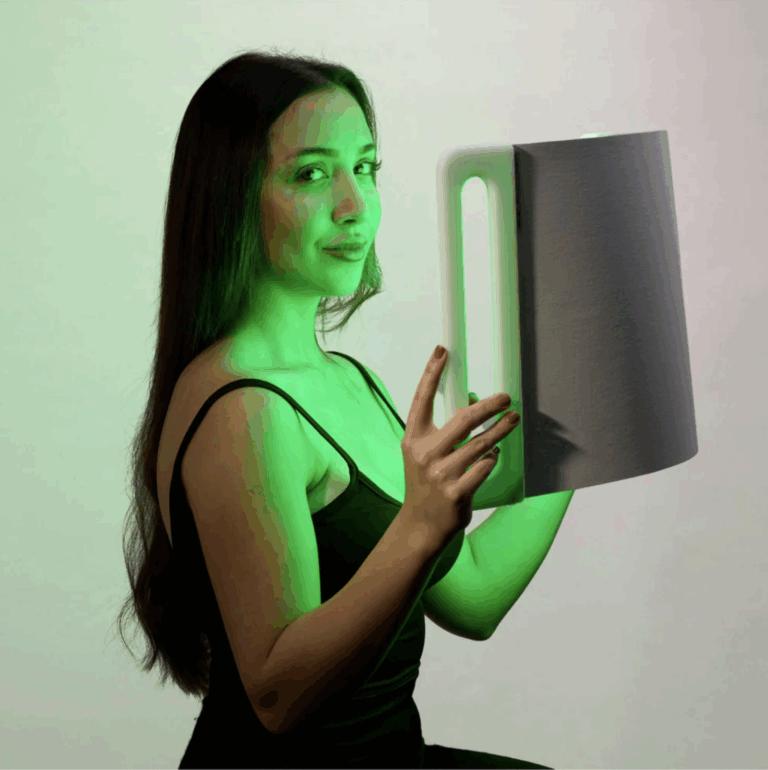
Green light therapy omits specific wavelengths of light (519 nm) to target the body’s cells and rejuvenate and heal the body at a cellular level. The green LED light therapy activates the body’s natural healing processes, supporting tissue repair and can even help alleviate migraines. In terms of skincare, green light therapy excels in addressing pigmentation issues like dark spots and discolouration. Seek out Lumara’s Illuminate Green, an ultra-thin arched LED panel that penetrates cells in just five minutes.